Slow Follow-Up Is Lost Revenue
Speed and consistency determine whether inquiries become customers.
When follow-up is slow, prospects move on. Automated follow-up keeps every inquiry engaged with timely messages, reminders, and responses.
Leads Go Cold When Follow-Up Is Delayed
DEMAND REALITY
Prospects Expect Immediate Engagement
When someone submits a form, requests information, or reaches out online, their interest is highest in that moment. If they don’t receive a timely response, attention quickly shifts to the next provider.
Businesses that engage prospects immediately stay top-of-mind while slower responses allow valuable opportunities to disappear.
OPERATIONAL FRICTION
Manual Follow-Up Is Inconsistent
Relying on staff to manually send emails, texts, and reminders often leads to gaps in communication. Busy teams forget to follow up, respond late, or miss leads entirely.
As inquiry volume increases, these manual steps become harder to manage, creating inconsistent customer experiences and lost opportunities.
REVENUE IMPACTS
Delayed Follow-Up Reduces Conversion
The longer a lead waits for a response, the less likely they are to convert. Without consistent follow-up, interested prospects lose momentum or choose a competitor who responds first.
Automated follow-up keeps conversations active, ensuring every lead receives timely communication until they book, respond, or convert.
How Lead Follow-Up Automation Works
01
Instant Lead Acknowledgement
Every new inquiry receives an immediate response via SMS or email. This confirms the message was received and keeps the prospect engaged while their interest is still high.
02
Automated Follow-Up Sequences
If a prospect does not respond right away, the system automatically sends structured follow-up messages over time. This ensures no opportunity is forgotten or left waiting.
03
Smart Engagement Tracking
The system tracks opens, replies, and interactions, adjusting communication based on how prospects engage. Leads that show interest can be prioritized for faster outreach.
04
CRM & Pipeline Integration
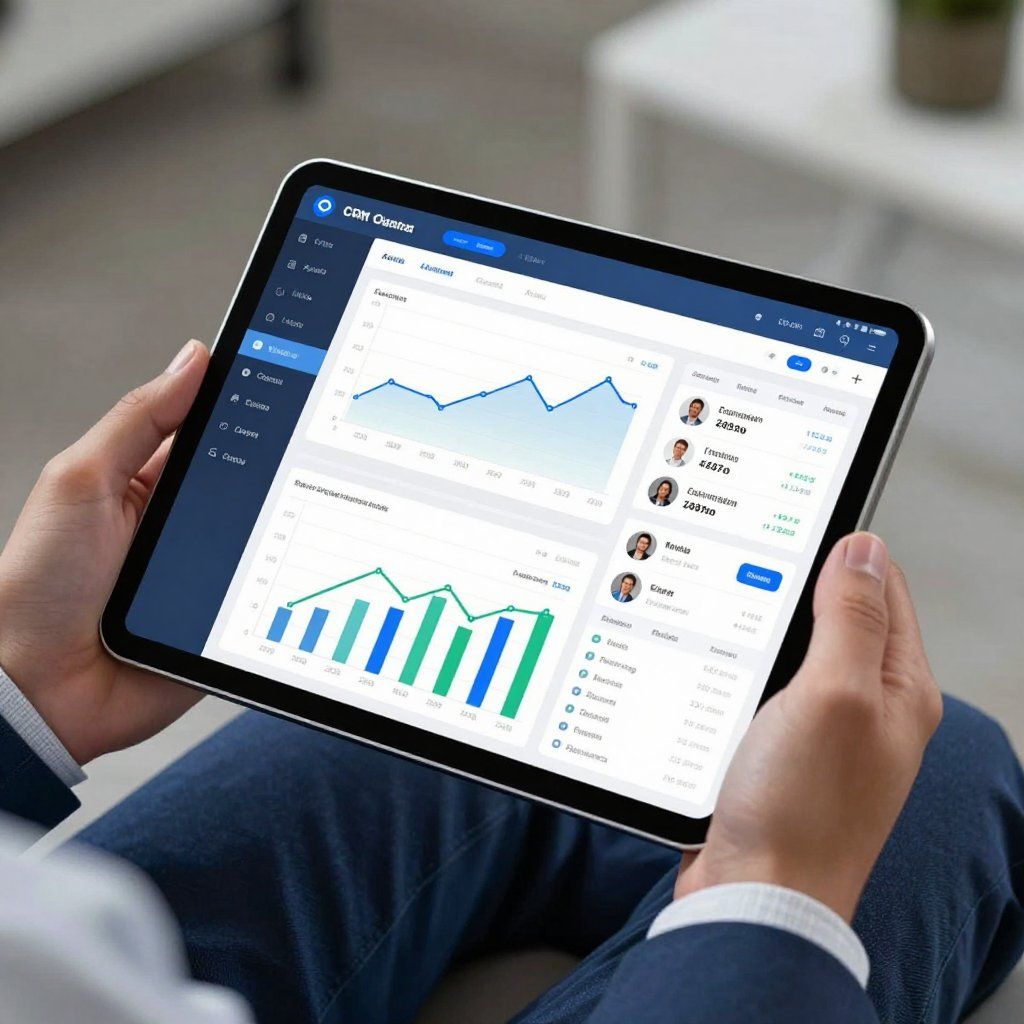
All conversations and lead activity are recorded directly in your CRM. This keeps your team informed, organized, and ready to step in when a prospect is ready to move forward.
Smart Scheduling Systems
What Smart Scheduling Unlocks for Your Business
Increased Booking Conversion
When prospects can schedule instantly, fewer opportunities are lost during the booking process. Removing email back-and-forth and manual coordination increases confirmed appointments and captures demand while interest is highest.
Consistent Intake & Preparation
Automated intake collects key information before the appointment is booked. Your team receives structured details in advance, allowing conversations to start with context instead of spending time gathering basic information.
Reduced Administrative Work
Automated scheduling eliminates manual calendar coordination, confirmation emails, and reminder management. You or your team spends less time managing appointments and more time focusing on customers and high-value work.
Scalable Scheduling Infrastructure
As demand grows, automated scheduling systems handle increased booking volume without adding staff. Your business can support more inquiries and appointments while maintaining a consistent customer experience.
IS THIS RIGHT FOR YOUR BUSINESS?
Evaluate if Automated Lead Follow-Up Fits Your Operations

This Is a Strong Fit If…
- Leads submit forms or inquiries but never respond after the first contact.
- Your team struggles to follow up consistently with every prospect.
- Responses to new inquiries are sometimes delayed.
- You rely on manual reminders to reconnect with prospects.
- Leads lose interest before they book or move forward.
- You want a structured follow-up system connected to your CRM.
This May Not Be Necessary If…
- Your team responds to every lead immediately and consistently.
- Follow-up is already fully automated and tracked.
- Your inquiry volume is extremely low.
- Most prospects convert without multiple touchpoints.
Common Questions About Automated Lead Follow-Up
Automated follow-up ensures every inquiry receives timely communication, keeping prospects engaged until they respond or book. Below are answers to common questions about how automated follow-up works, how it integrates with your existing systems, and how it helps businesses convert more leads into real opportunities. If you don’t see your question listed, contact us and we’ll be happy to help.
Contact Us
We will get back to you as soon as possible.
Please try again later.
What is automated lead follow-up?
Automated lead follow-up uses software to send timely emails, text messages, or notifications after someone submits an inquiry. Instead of relying on staff to manually respond to every lead, the system ensures consistent communication until the prospect replies, books, or converts.
Why is fast follow-up important?
Response time has a major impact on conversion rates. When businesses respond quickly, prospects are more likely to stay engaged. Delayed responses often cause potential customers to move on to competitors.
What types of follow-up messages can be automated?
Automated systems can send confirmation messages, appointment reminders, information requests, follow-up sequences, and re-engagement messages. These can be delivered through SMS, email, or both depending on your workflow.
Will automated follow-up feel impersonal to customers?
Not when implemented correctly. Messages can be personalized using the prospect’s name, inquiry details, and context from their interaction. The goal is to respond quickly and consistently while still maintaining a natural communication style.
How does follow-up automation integrate with my CRM?
All lead activity, messages, and responses can be recorded automatically in your CRM. This keeps your team informed about where each lead is in the conversation and allows staff to step in when needed.
Can the system notify my team when a lead replies?
Yes. When a prospect responds or takes a specific action, your team can receive alerts or tasks so they can engage directly at the right moment.
How quickly can follow-up automation be implemented?
Most systems can be implemented quickly once workflows and messaging are defined. The goal is to create a structured communication process that begins immediately after a lead enters your system.

NEVER LET A LEAD GO COLD
Stop Losing Opportunities to Slow Follow-Up